Diagnose before you replace everything
Floats, debris, check valves, and frozen outlets cause most “dead pump” calls—know which failure you have.
When a sump fails during a Niagara storm, minutes matter. This page covers common failure modes and a calm repair-versus-replace decision. If water is rising, prioritize temporary pumping and safety first, then call for permanent repair.
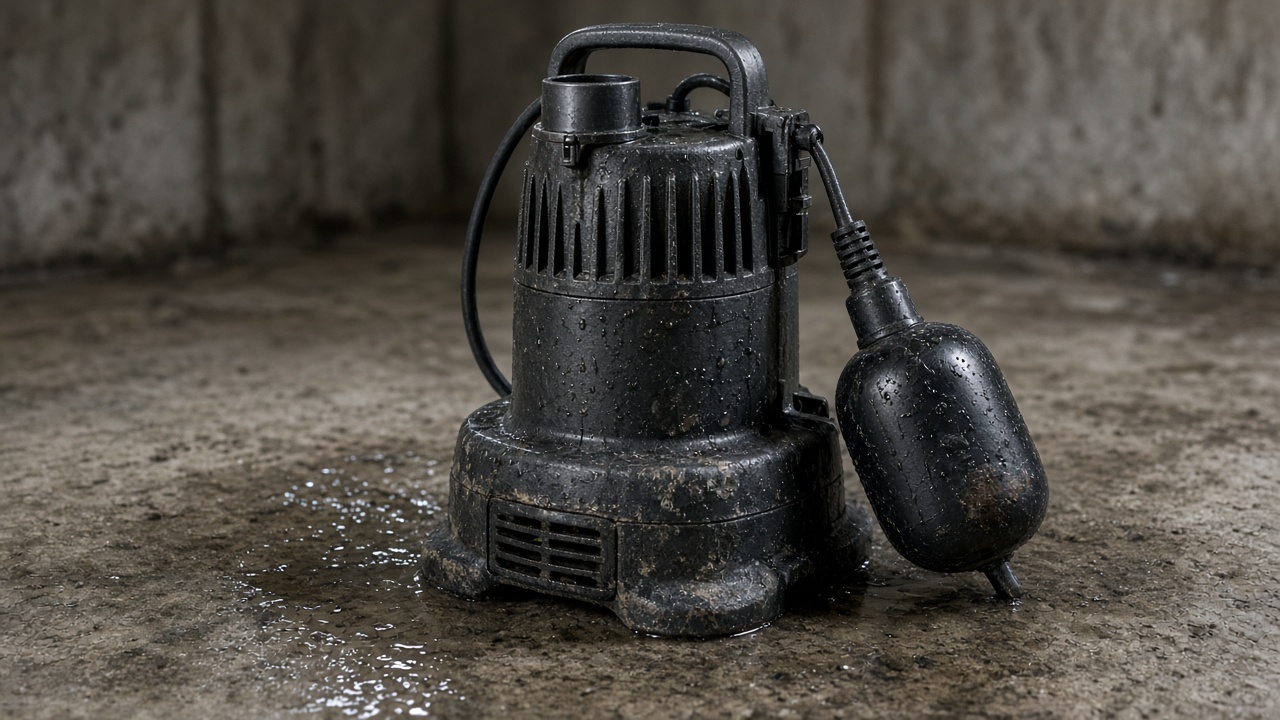
Common failures
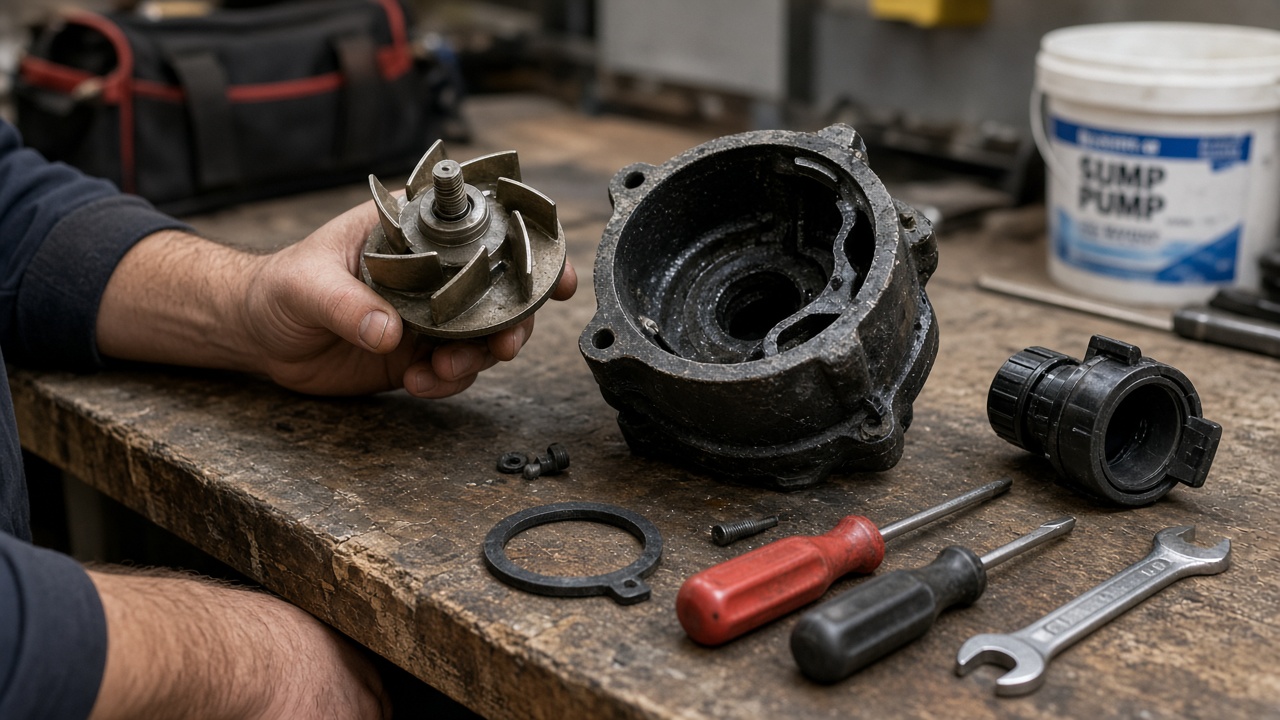
- Humming, no flow — impeller jammed with a pebble or gravel; unplug before inspecting
- Won’t start — tripped GFCI/breaker, unplugged cord, or corroded float switch
- Runs nonstop — float held up by a shifted power cord, or outdoor ice blocking discharge
- Short-cycles every few minutes — leaking check valve letting water drain back into the pit
Repair or replace?
Older pumps that smoke, crackle, or repeatedly fail the float are usually replaced. Impeller debris or a bad check valve may be repairable. Like-for-like swaps in a clean pit are often DIY-friendly for handy owners; flooding-in-progress, hardwired units, or dual systems favour a professional.
Winter freeze failures
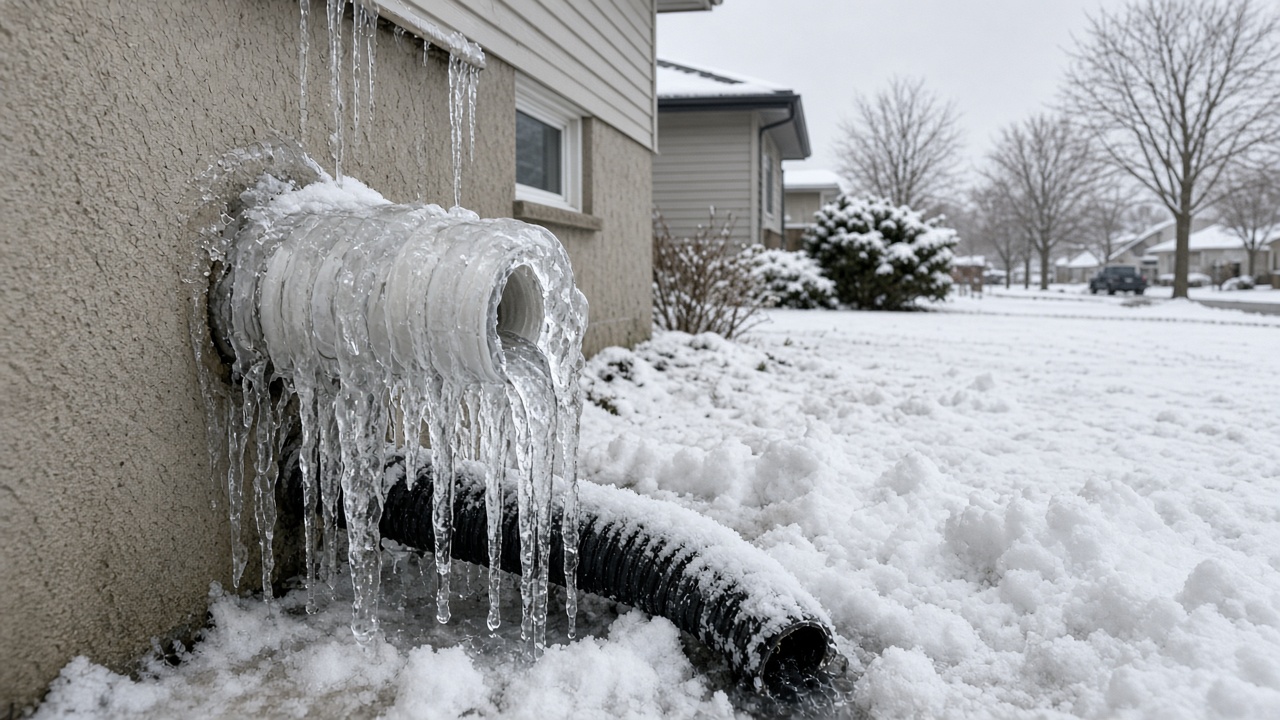
Ice at the outdoor outlet can block flow, force continuous running, and burn the motor. Clear snow and ice, and extend discharge onto permeable ground away from sidewalks. Heat cable or insulation on vulnerable runs is a Niagara winter topic for a reason.
Cost bands (market, not our price list)
A pump swap in an existing pit is usually a smaller scope than a new pit system. Exact quotes depend on access, fittings, and whether the check valve and discharge need rework. Ask for an itemized written estimate.
Do not pull the pump out by the electrical cord. That damage is a common cause of later failures.
Safety while water is rising
Standing water and electricity are a bad mix. If the pit is overflowing, prioritize personal safety, temporary pumping if you have equipment, and shutting off power only when you can do so without stepping into water around panels. Temporary measures buy time for a permanent repair; they are not a substitute for a correctly sized pump, clear discharge, and backup.
After major Niagara storms, retail pumps sell out. That scarcity is why waiting for a big-box restock is a weak plan when water is active. A licensed installer can source commercial-grade equipment and correct fittings while you protect belongings.
Check valves and short-cycling
A leaking check valve lets the vertical column of discharge water drain back into the pit. The float rises again within minutes and the pump restarts—sounding “busy” while quietly wearing out the motor. Replacing an inexpensive valve often stops the pattern. Quiet check valves reduce the slam some homeowners hear on shutdown.
Documentation for insurance and resale
Photograph the pit before and after service, keep invoices, and note model numbers. Buyers and insurers ask whether the sump was maintained. If you replace a smoking pump, retain the old unit briefly in case an insurer wants evidence. Ask for any warranty terms in writing before work starts.
Repair visits should leave you knowing how to test the float and where the discharge exits. If a technician cannot show those two things, ask until the answers are clear.
When constant running is “normal”
On wet Niagara lots after multi-day rain, frequent cycling can be expected. Non-stop operation without the water level dropping is not. Distinguishing those patterns prevents unnecessary panic—and prevents ignoring a blocked outlet until the motor burns. If the pump runs but the outdoor discharge is dry, look for a disconnected hose, underground break, or ice plug.
Water meters that move when all fixtures are off can reveal a supply leak feeding the weeping tile. That uncommon diagnosis shows up in homeowner forums after pumps “won’t stop” for days. A plumber and a sump technician may both need to look.
Parts to keep on hand
Handy owners in flood-prone homes sometimes keep a spare primary pump rated for the same discharge diameter, a spare check valve, and hose clamps. Label the pit with the pump model. During regional storms, those spares matter when stores empty. Professionals still help when wiring is hardwired, pits are contaminated, or dual systems need balancing.
After any repair, retest with a bucket fill while watching the outdoor outlet. Confirm the pump shuts off cleanly when the pit empties. Note the date of service on a tag near the pit so the next person is not guessing.
Regional storm lessons
When St. Catharines and surrounding communities flooded in mid-2026, homeowners reported sump overflow, sold-out pumps, and long waits for contractors. The lesson for quieter years is boring but effective: test before storm season, keep discharge clear, and install backup while shelves are full. Repair calls spike exactly when parts and labour are scarcest.
Neighbourhood chatter after storms often mixes groundwater and sewer stories. If your floor drain burped sewage while the sump pit stayed empty, call a plumber about backwater protection. If the pit climbed the walls while the floor drain stayed dry, stay on the sump and drainage path. Misrouting that first call wastes hours you do not have during an active event.
After water recedes, dry belongings, run dehumidifiers, and document damage for insurance. Then schedule permanent repairs—not just a shop-vac cleanup. Temporary pumps that saved the day still leave you exposed to the next outage unless primary, discharge, and backup are corrected.
Keep a simple household card near the electrical panel: pump model, discharge location, backup test button location, and who to call. Future you—or a house sitter—will need it in the dark.
Frequently asked questions
My sump pump is humming/buzzing but not pumping — what is wrong?
Common causes: debris jammed in the impeller, failed capacitor/motor, or power issues. Unplug before inspecting; a pebble in the impeller is a frequent DIY find. If unsure, replace rather than run a dying motor during a storm.
Pump won't turn on — float or power?
Check breaker/GFCI and plug first; then lift the float manually. Corroded float switches are a common failure.
Pump ran continuously — could the float be stuck?
Yes — a shifted power cord or debris can hold the float up (runs nonstop) or down (never starts). Secure cords and keep the pit clean.
Repair or replace?
Older pumps that smoke, crackle, or have repeated float failures are usually replaced; impeller debris or a bad check valve may be repairable. Ask for a written recommendation after diagnosis.
Is replacing a pump DIY-friendly?
Like-for-like swaps in a clean pit are often straightforward for handy owners; flooding-in-progress, hardwired units, or complex dual systems favour a pro.
How much does replacement cost?
A pump swap in an existing pit costs less than a new pit system, but access, fittings, check valve, and discharge rework change the number. Ask for an itemized quote for your property.
My pump runs every few minutes after rain — failed check valve?
A leaking check valve lets discharge drain back into the pit and retriggers the float — a top diagnosis for short-cycling. Also check outdoor ice blockages in winter.
Discharge is freezing / icing outside — is that why it fails?
Ice at the outlet can block flow, force continuous running, and burn pumps. Clear snow/ice and extend discharge onto permeable ground away from walks.
Who do I call in an emergency while water is rising?
If water is rising, prioritize temporary pumping/safety and power shutoff awareness; then call for permanent repair. Ask when you call about typical response for your situation.
Should I pull the pump out by the power cord?
No — use a rope/handle. Pulling by the cord damages wiring and is a common cause of failures.