New sump systems for Niagara homes
Pit, pump, check valve, and discharge—sized for water table and basement use, not a one-size shelf kit.
Whether you are installing a sump for the first time or upgrading an unreliable builder-grade unit, installation quality decides whether the system stays quiet and automatic—or short-cycles, freezes, and floods. Niagara’s clay pockets, canal corridors, and lakeside lots often need more capacity and better discharge planning than a minimal install provides.
Who needs a new install
- No pit yet, with groundwater or cove seepage
- Weeping tile being disconnected from sanitary under WRAP / FLAP / SWAP
- Undersized or failed pit that cannot hold a primary plus backup
- Pre-finish projects that need proven dry floors first
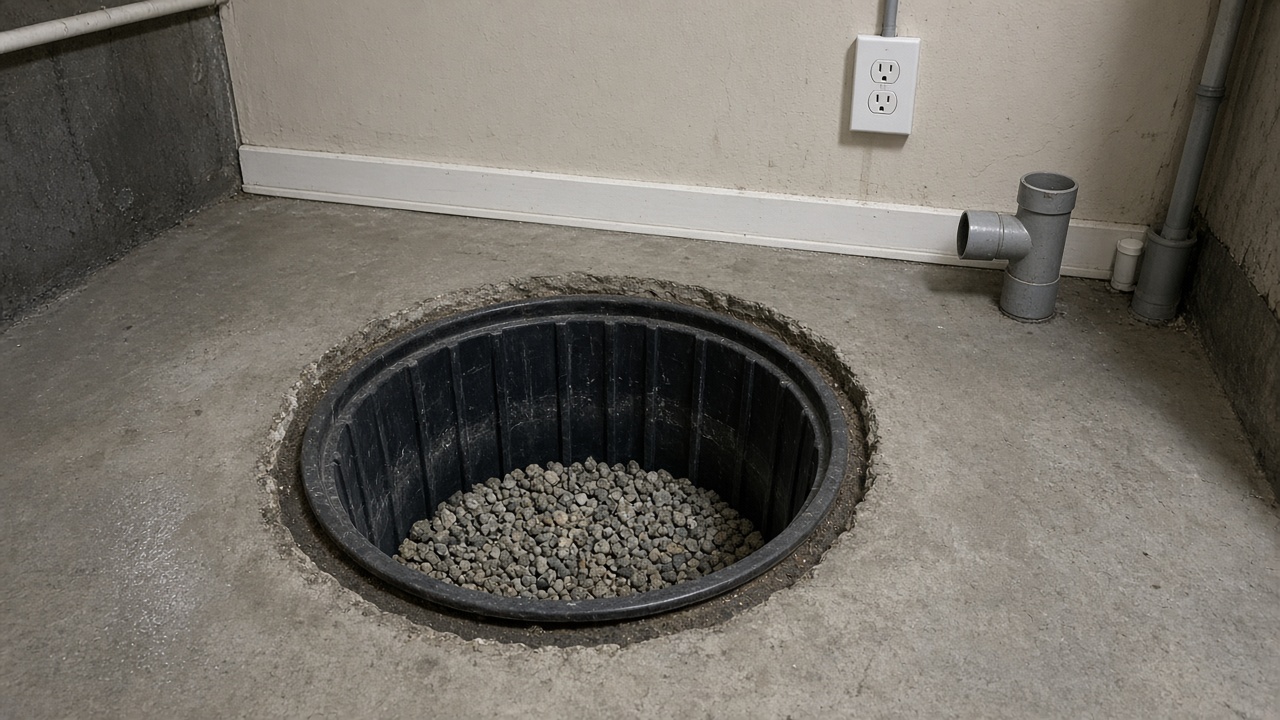
Submersible vs pedestal
Submersible pumps sit in the pit and run quietly. Pedestal motors sit above the water line and can be easier to service. Match horsepower to head height and inflow—not the cheapest unit on the shelf. Local guidance often favours robust cast-iron submersibles for high water-table Niagara homes.
Discharge and check valves
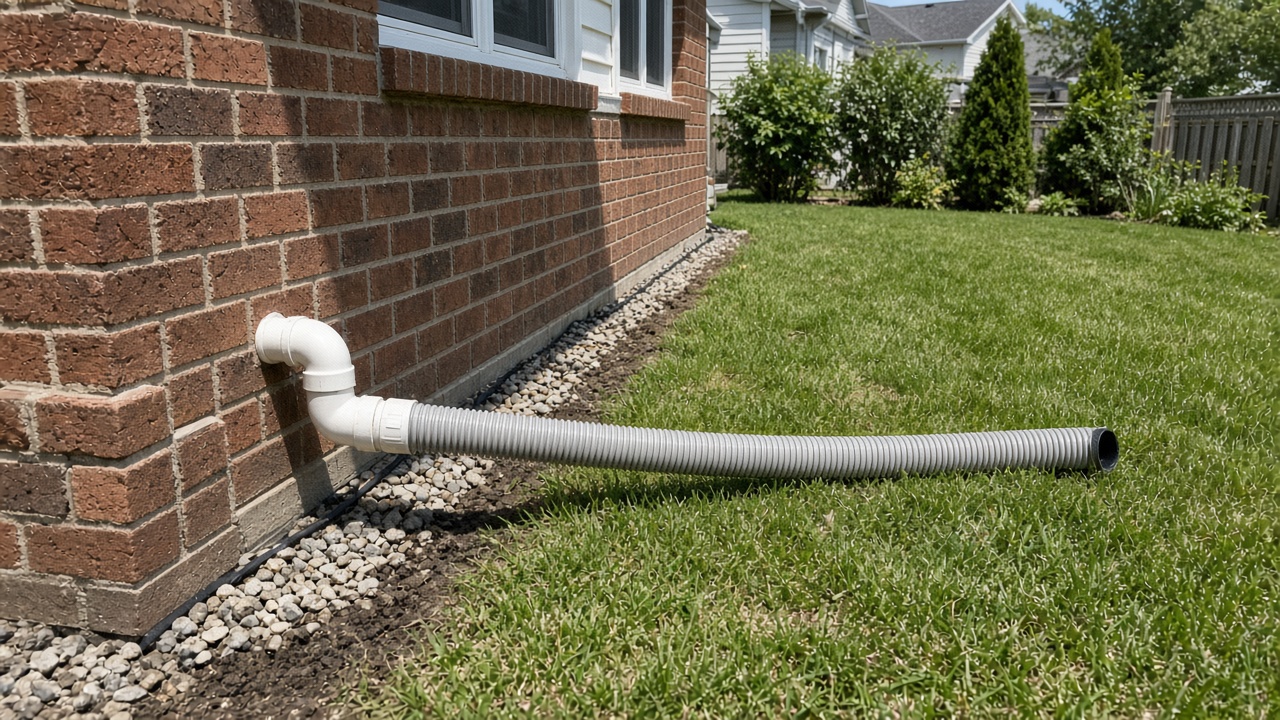
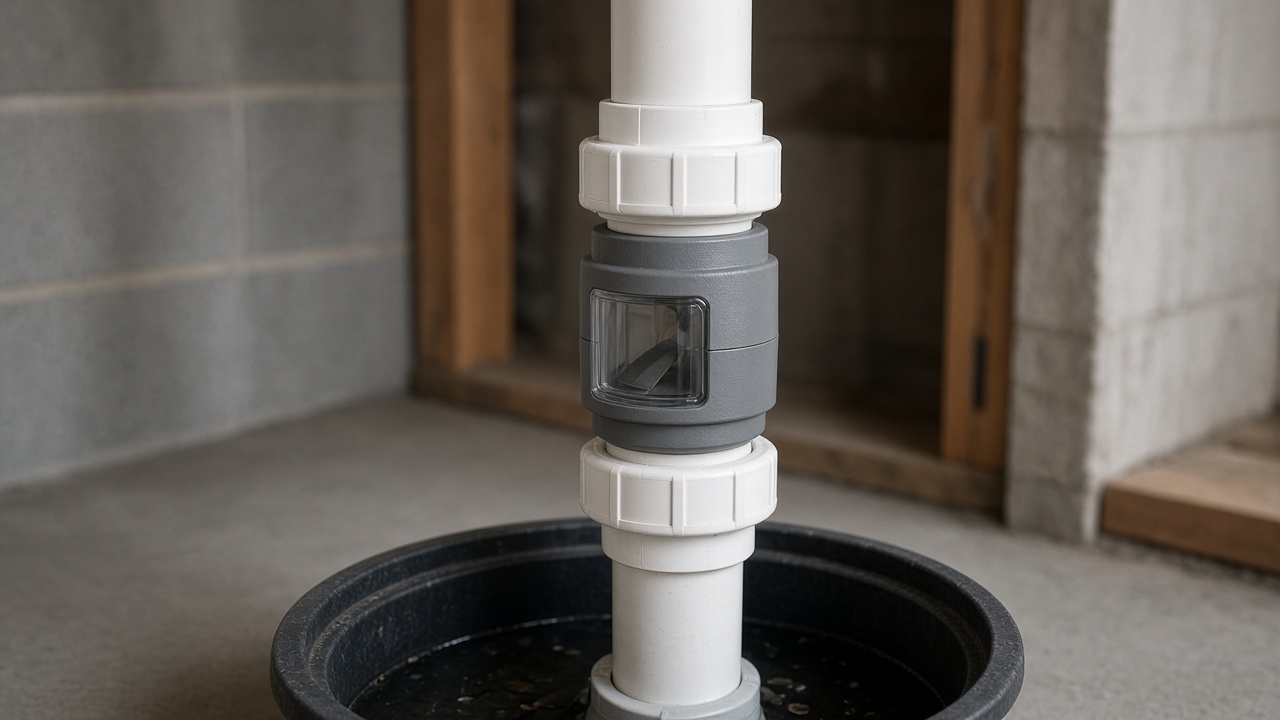
Discharge must leave the house and release on a slope away from the foundation. Dumping foundation drainage to the sanitary sewer is not the rebate-compliant path. A check valve stops water from draining back into the pit and causing short-cycling; unions make future pump swaps cleaner.
Permits and rebate intersections
Rebate paths in Niagara Falls, St. Catharines, and Welland typically require a licensed plumber, plumbing permits, and inspections. Niagara Falls WRAP Item 1 generally requires you do not already have a ground-discharge foundation sump. St. Catharines Emergency FLAP typically does not rebate stand-alone pump replacement. Confirm with the City before assuming a grant.
See costs and rebates for program details and official City links.
What belongs in a written quote
- Pit excavation or reuse of existing basin
- Pump model and horsepower
- Check valve, discharge materials, and termination
- Electrical (dedicated circuit / GFCI as needed)
- Backup included or priced separately
- Permit fees, cleanup, and warranty terms in writing
Ask for a written quote that names pit work, pump class, discharge, electrical, permits, and restoration. Timeline for a simple swap can be hours; new pits take longer depending on concrete and access.
Assessment factors that change the design
Water table behaviour, foundation type, finished versus unfinished space, and how water enters decide pit location and pump capacity. Lakeside and canal-adjacent lots often need higher flow and redundant backup. Tight mechanical rooms may force a compact basin that still must accept a secondary pump later. Electrical capacity for a dedicated circuit matters when you add alarms and chargers.
Soil and access change labour more than homeowners expect. Cutting a thick slab, hand-digging beside footings, or fishing discharge through finished walls adds time. A written scope should name those conditions so two quotes describe the same job.
Ontario Building Code context for homeowners
Sump discharge piping and check-valve sequencing appear in Ontario Building Code articles referenced by municipal rebate programs. Rebate work typically requires a licensed plumber, a plumbing permit, and passed inspections. Even outside rebate paths, wall penetrations and new electrical circuits may need permits—confirm with the building department in your city rather than assuming a “simple swap” needs nothing.
Aftercare once the system is in
Keep the outdoor outlet visible and free of ice. Test the float seasonally. Register manufacturer warranties if paperwork is provided. If you later apply for a municipal program, keep invoices and inspection records. Do not bury the sump lid under storage so future service requires demolition.
Installation is not waterproofing theatre. The goal is a quiet, automatic system that ejects groundwater before it becomes a finished-basement claim. Ask every contractor to show how the discharge leaves the property and what happens when power fails.
Choosing equipment for Niagara winters
Discharge lines that exit through a rim joist and terminate a few metres onto lawn are common. In winter that outlet can ice over. Discuss heat cable, insulation, or a termination detail that sheds ice. Pedestal versus submersible is partly a noise and service preference; cast-iron housings tolerate grit better than light thermoplastic shells when weeping tile carries silt from clay soils.
If you plan a finished basement, leave clear access to the pit lid and keep the discharge path inspectable. Remodellers who bury the system create the next emergency. Pair every new primary pump conversation with backup—especially on finished or high water-table sites.
Comparing installers without getting lost
Ask each bidder to price the same pit diameter, pump horsepower class, check valve type, discharge route, and whether backup is included. Request proof of insurance and, for rebate work, plumber licensing. Walk the outdoor grade together so everyone sees the same ponding and downspout issues. The lowest number that omits discharge rework is not a bargain when ice forms in January.
Municipal program rules change. Print or save the City page on the day you apply. Do not start rebate-eligible work before required applications or pre-inspections. Work done out of sequence is a common reason grants are denied even when the plumbing is perfect.
Local scenarios that change the install
A bungalow on a clay lot near the Welland Canal that sees weekly spring cycling needs a different conversation than a newer St. Catharines build with a dry mechanical room and a home-inspector note about “consider backup.” The first home may need a larger basin, cast-iron primary, secondary battery pump, and heat-protected discharge. The second may need a quality primary upgrade plus backup without excavating a new pit.
Escarpment-base homes can see rapid runoff after summer storms. Lakeside properties may sit closer to seasonal groundwater. Neither geography excuses skipped grade and downspout fixes. Installers who only talk about horsepower while ignoring outdoor water dumping against the foundation are selling half a system.
If you are coordinating WRAP, FLAP, or SWAP paperwork, tell the installer on the first call. Program rules affect whether weeping-tile disconnection, CCTV proof, or dual quotes are required. An install quoted as a simple swap may not satisfy a City inspector looking for disconnect documentation. Align the plumbing scope with the grant scope before anyone cuts concrete.
Finally, plan for service. Unions, pull ropes, and clear lids turn a ten-year pump replacement into an afternoon job instead of a demolition. That small detail separates thoughtful installs from systems that fight every future repair.
Frequently asked questions
Can I DIY a new sump pit, or should I hire a pro?
Handy owners sometimes dig a pit in unfinished areas, but it is dirty, heavy, and easy to get wrong (location near footing, depth, discharge, electrical). Pros are safer for finished basements, uncertain soils, or rebate/permit work.
Does a sump pump alone waterproof the basement?
No — the pump only ejects water that reaches the pit. Without drains directing water there, wall/cove leaks continue.
Submersible or pedestal pump?
Submersible units sit in the pit and run quieter; pedestal motors sit above water and can be easier to service. Choice depends on pit size, noise tolerance, and maintenance preference.
Where should the discharge go?
Discharge must leave the house and release away from the foundation on a slope; dumping to sanitary is not the rebate-compliant path. Keep outlets clear of ice/leaves.
Will WRAP / FLAP pay for a brand-new sump if I already have one?
Niagara Falls WRAP Item 1 generally requires you do not already have a ground-discharge foundation sump. St. Catharines Emergency FLAP typically does not rebate stand-alone pump replacement. Confirm with the City before assuming a grant.
What size / horsepower do I need?
Size to water load and head height, not the cheapest shelf unit. Local plumbing guidance often points to robust cast-iron submersibles for high water-table Niagara homes. Exact HP is site-specific.
Do I need a permit?
Rebate paths require plumbing permits and inspections. Even outside rebates, wall penetrations/electrical may need permits — confirm with the local building department for the city.
How long does installation take?
Simple pump-in-existing-pit can be hours; new pit + discharge is often a longer day or more depending on concrete and access. Ask when you call about typical scheduling for your scope.
Should installation include a check valve and union?
Yes — a check valve prevents backflow short-cycling; unions/couplers make future pump swaps cleaner.
What should be in a written install quote?
Pit work, pump model/HP, check valve, discharge materials/path, electrical, backup (if any), permit fees, cleanup, warranty terms.